A couple of days ago, I criticized Joel Ross’s Gospel Music for being overbearingly repetitive.1 I’m going to risk hypocrisy now by praising Solo Three, the new album from Erik Hall, for being magnetically repetitive.
I won’t lie: this was a strange conundrum for me. Why is one overbearing but the other magnetic? I’ve spent some time trying to figure it out, so let me try to explain.
The repetition on Solo Three is hypnotic. It’s a central feature of the music; a force that gently carries the listener along with a steady pulse. Hall repeats motifs ad nauseam, but works in subtle variations that keep the music feeling fresh and alive.
On Gospel Music, the repetition works like a hammer—ahem, a mallet2. It reminds me of a preacher pounding the pulpit, trying to drive home a point; a forceful attempt to control the listener’s experience. It’s dogmatic and inflexible.
In the midst of all its repetition, Solo Three manages to be dynamic and emotionally resonant, something that Gospel Music fails to achieve. From a melodic perspective, the record is pretty flat. It’s the rhythms, textures, and dynamics that give it an immense depth.
Solo Three is all about texture. There aren’t any melodies to hum along to, so don’t expect any catchy hooks. What you get instead is a rich tapestry of sounds that you can sink into and explore. At times it feels greater than the sum of its parts, as if you can hear things that aren’t actually there.
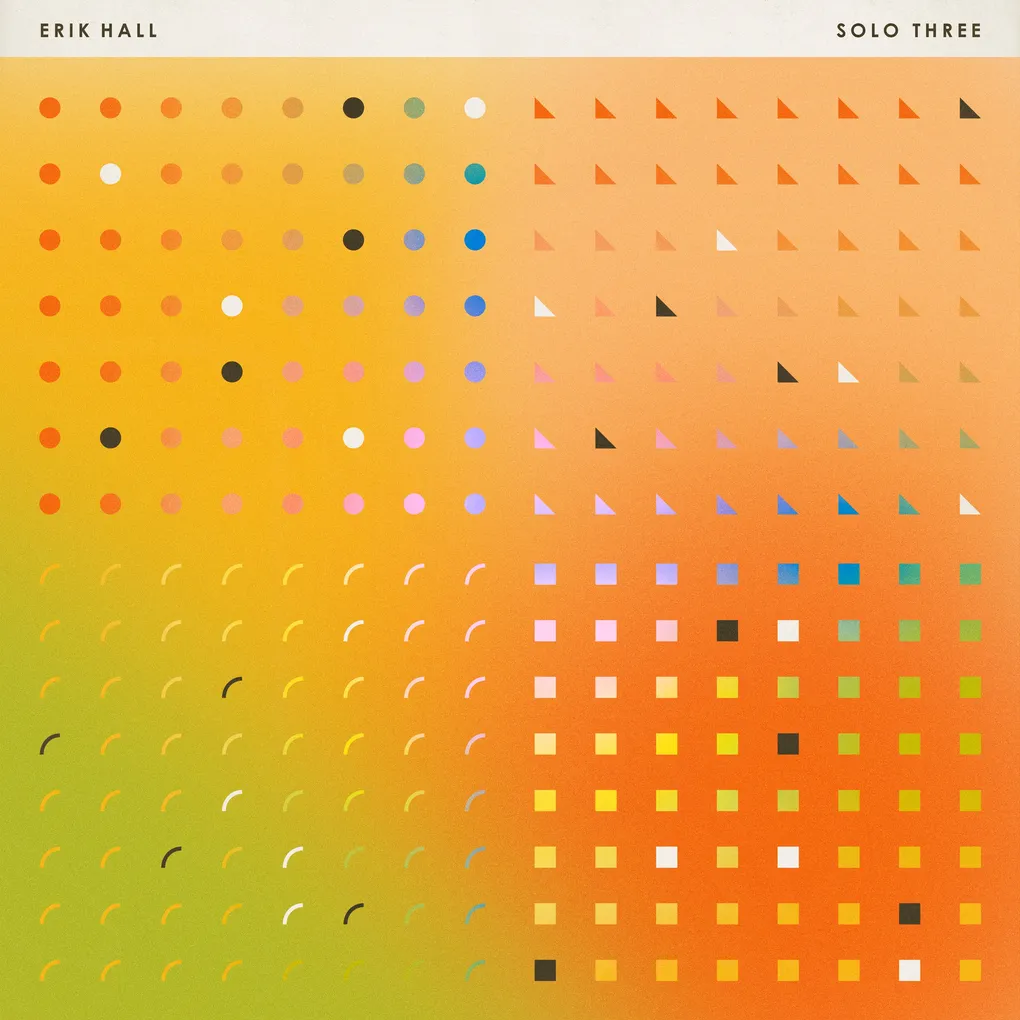
Like the album’s cover art, Solo Three is a study in minimalism, subtlety, and variation. It’s a record that rewards close listening and repeated plays because each listening experience is different. For a record that is so heavily reliant on repetition, that’s a remarkable feat.
Listen
What is “An Album a Day”?
Each day in 2026, I’m listening to an album that:
- I’ve never heard before
- Was released in the last six months (from the time of listening)
Footnotes
-
See An Album a Day #2026-33. ↩
-
Ross is a vibraphonist. ↩